
Quick answer: What are the different types of coffee?
Coffee drinks fall into two main groups: hot and cold. Hot coffee types include espresso, Americano, cappuccino, latte, mocha, caramel macchiato, honey latte, doppio, and ristretto. Cold coffee types include cold brew, iced Americano, iced latte, iced cappuccino, iced mocha with ice cream, and affogato. Most drinks use espresso as a base. Cold brew is the exception. It steeps coarsely(thick) ground coffee in cold water for 12 to 24 hours.
Introduction to Coffee
Coffee is the most popular beverage in the world, a daily ritual, and for many, an essential part of life. Known for its energizing caffeine and rich blend of antioxidants, coffee not only awakens the senses but also offers various health benefits, such as reducing inflammation and lowering the risk of chronic diseases. Whether you’re a devoted fan of flat whites or prefer the bold smoothness of cold brew, there’s a perfect cup of coffee out there for everyone. It’s fascinating to think that all these diverse coffee drinks trace back to the same origin, a simple coffee bean.
From bean to brew, coffee goes through a remarkable journey: harvested, processed, roasted, ground, and finally transformed into a wide range of delicious beverages enjoyed around the world.
Each coffee type differs in flavor, strength, ingredients, and even serving style. But how familiar are you with the many varieties? If you’re curious to explore the world of coffee or often wonder what sets one type apart from another, you’re in the right place. Let’s break down the most popular types of coffee and what makes each one unique.
Different Types of Hot Coffee
Most hot coffee drinks start with espresso. From there, you add water, milk, foam, or other ingredients to get different results. Here are nine hot coffee types you will find on almost any cafe menu.
1. Espresso
Espresso is the foundation of many coffee drinks. It is a small, concentrated shot of coffee brewed by forcing hot water through finely-ground coffee beans. It’s rich, intense, and full-bodied, often served in a small cup. If you are new to espresso, think of it as the “heart” of coffee.
The taste is bold and slightly bitter. Think of it as the purest form of coffee. Most other drinks on this list are built on top of it.
If you want to understand how espresso is made properly, including machine technique and grind settings, read our guide on mastering the art of coffee making.
2. Americano
An Americano is simply a shot (or two) of espresso diluted with hot water, usually in a 1:2 ratio. It has a lighter taste than espresso but retains its depth of flavor, making it a favorite breakfast brew.
If you like a strong cup without milk, Americano is the go-to. It is one of the most ordered coffee drinks in Nepal too.
3. Cappuccino
A cappuccino has three equal layers: espresso on the bottom, steamed milk in the middle, and thick milk foam on top. The foam gives it a texture that feels different from a latte, drier and lighter.
This one has been a staple at Italian cafes for decades. At most Nepali cafes, cappuccino and latte are the two top sellers.
4. Cafe Latte
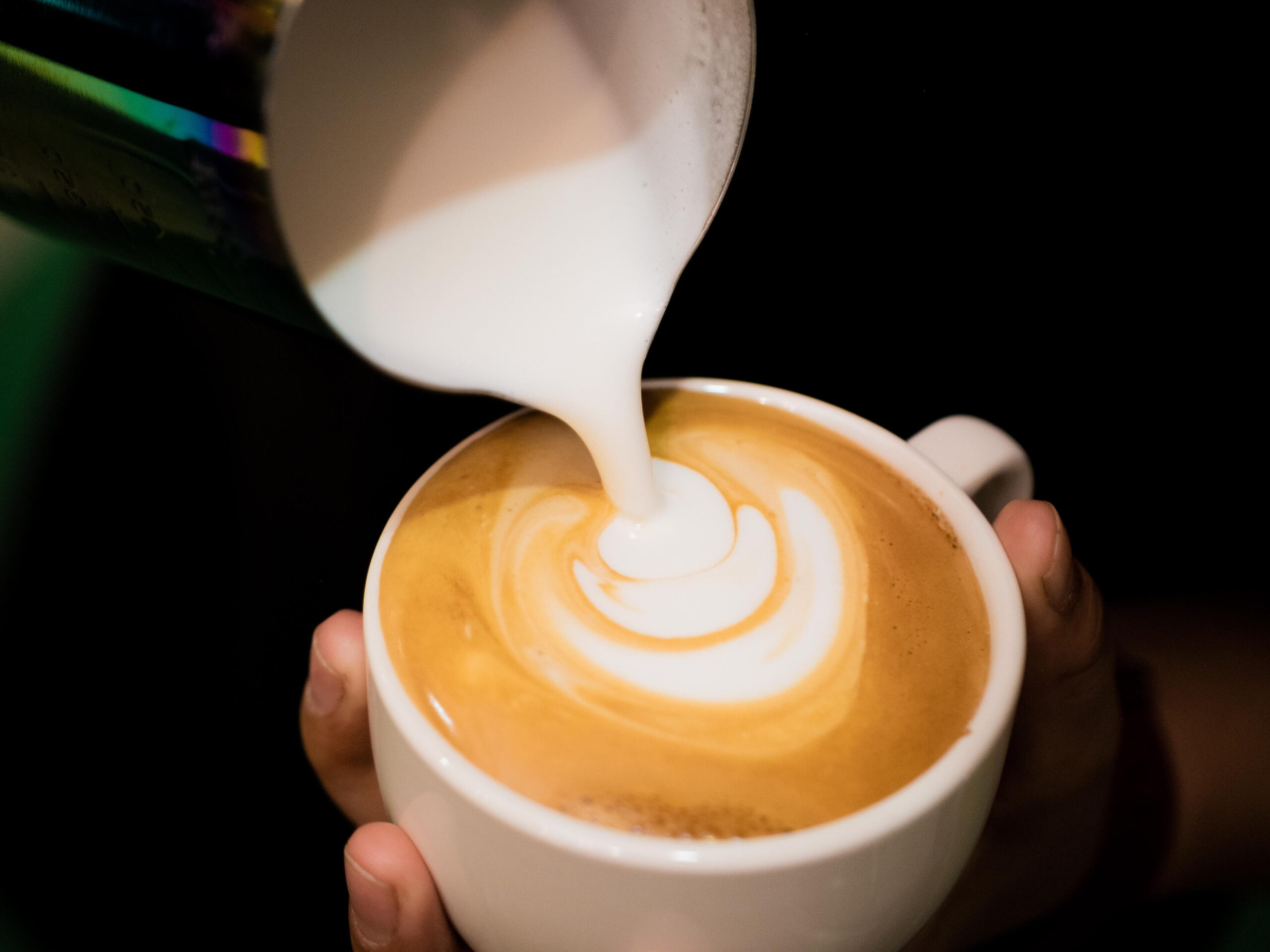
A latte is smoother and milkier than a cappuccino. It is typically made with one shot of espresso and topped with steamed milk and a thin layer of foam. Lattes are popular for their mild, comforting taste and are often served with creative “latte art.”
Baristas use lattes for latte art because the milk surface is clean and wide. Learning to pour latte art is one of the core skills covered in the Barista Training Course at United Technical School, Kathmandu.
If you are new to coffee and want something easy to drink, a latte is a safe starting point.
5. Honey Latte
This unique twist on a classic latte uses honey instead of sugar, offering a naturally sweet and floral flavor. It is a great option for those people seeking a healthier alternative without compromising taste.
6. Cafe Mocha
Cafe Mocha is the perfect blend of coffee and chocolate. This drink combines espresso, chocolate syrup or cocoa powder, steamed milk, and foam, offering a rich, dessert-like beverage that is especially popular among those with a sweet tooth.
If someone says they do not like coffee, a mocha is usually the drink that changes their mind. It tastes like coffee and hot chocolate at the same time.
7. Caramel Macchiato
The word “macchiato” means “stained” in Italian. This drink involves pouring a shot of espresso over a dash of steamed milk, with a drizzle of caramel for sweetness. The result is a bold coffee with subtle caramel notes.
The drink is sweet, but the espresso still comes through. It looks nice in a glass, which is part of why it became popular at coffee chains.
8. Doppio
Doppio is simply a double espresso in Italian and best for those needing a strong caffeine kick. It delivers twice the intensity of a regular espresso and is often used as a base for other drinks.
People who need a real jolt in the morning often go straight for a doppio.
9. Ristretto
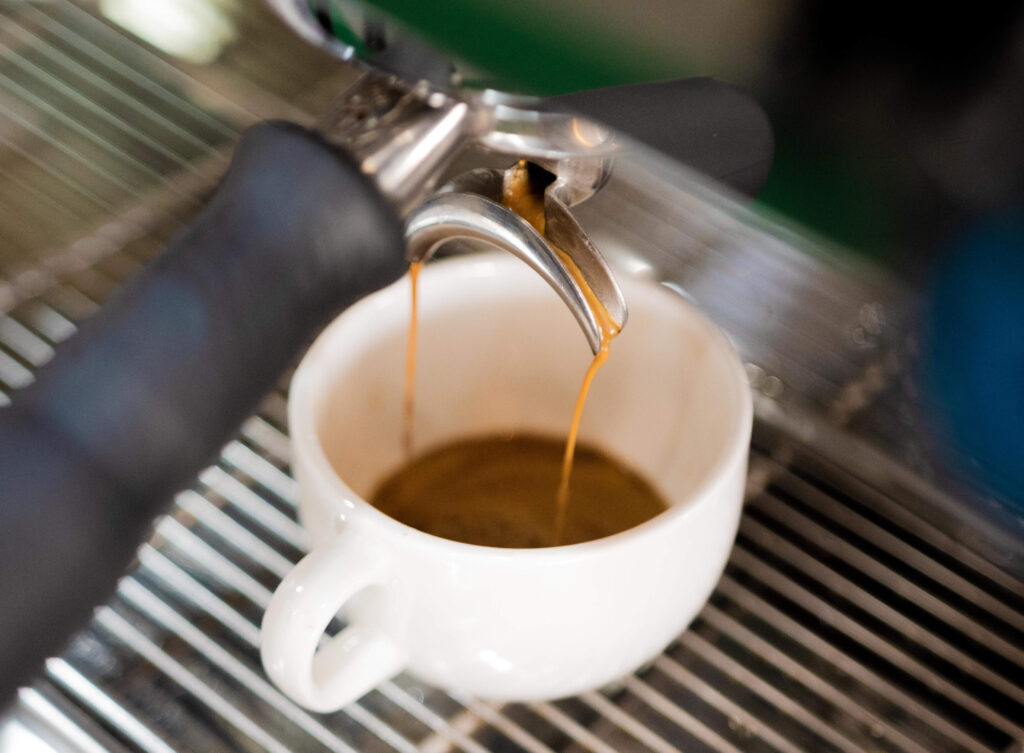
Ristretto is a more concentrated version of espresso, brewed with less water. It’s bolder, thicker, and has a naturally sweeter finish due to shorter extraction time.
It is smaller than a regular espresso shot and very strong. Not common at every cafe, but any proper barista can make one.
Types of Cold Coffee and How They Differ
Cold coffee has its own separate category because the brewing method and ingredients are different from hot coffee. These six drinks are the most popular cold options you will find at cafes.
1. Cold Brew
Cold brew is not just iced coffee. It is made by soaking coarsely ground coffee in cold water and leaving it for 12 to 24 hours. No heat is used at any point.
The slow cold extraction pulls fewer bitter compounds out of the coffee. That is why cold brew tastes smoother and naturally sweeter than most other drinks. It is also stronger because the coffee-to-water ratio is higher.
Cold brew is usually served over ice. Some cafes dilute it slightly with water or milk before serving.
Cold brew technique is also covered in detail at UTS. You can see the full course outline at technical.united.edu.np/course/barista.
2. Iced Americano
An iced Americano is espresso over ice with cold water. The ratio is similar to a hot Americano but served cold. It is clean, bold, and refreshing on a hot day. Very popular in Nepal during the hot summer.
3. Iced Americano with Extra Shot
Need an even bigger surprise? Add an extra shot of espresso to your iced Americano for a powerful, full-bodied version with more intensity.
4. Iced Latte / Iced Cappuccino
These iced versions of classic hot drinks use chilled espresso and cold milk over ice. Iced cappuccinos have more foam, while iced lattes are milkier and smoother-both ideal for summer sipping.
Both are good options when you want a cold drink that still tastes like proper coffee.
5. Iced Mocha with Ice Cream
Espresso, chocolate, milk, ice, and a scoop of ice cream. This is the coffee drink that sits on the border between drink and dessert. Rich and sweet, it is popular with people who want something indulgent.
6. Affogato with ice cream
One shot of hot espresso, poured directly over a scoop of vanilla ice cream. As the espresso hits the cold ice cream it starts to melt around it. You end up with something that is part drink, part dessert.
Affogato is simple to make but delivers a strong contrast between the bitter espresso and sweet cold ice cream. If you have never tried one, it is worth ordering at least once.
Espresso or Latte: What’s your favourite?
Here’s how espresso and latte compare, side by side.
Espresso
How It’s Made:
Espresso is crafted by forcing hot water through finely ground coffee beans at high pressure. This process produces a small but potent shot, typically 1 to 2 ounces, packed with rich and concentrated flavor.
Flavor:
Bold, robust, and slightly bitter with subtle sweetness, espresso offers an intense coffee experience. It has a relatively high caffeine content per ounce, making it a favorite for those who enjoy strong coffee.
How It’s Served:
Espresso is served in small, thick-walled demitasse cups, either enjoyed on its own or as the foundation for other beverages like cappuccinos, lattes, and macchiatos.
Latte
How It’s Made:
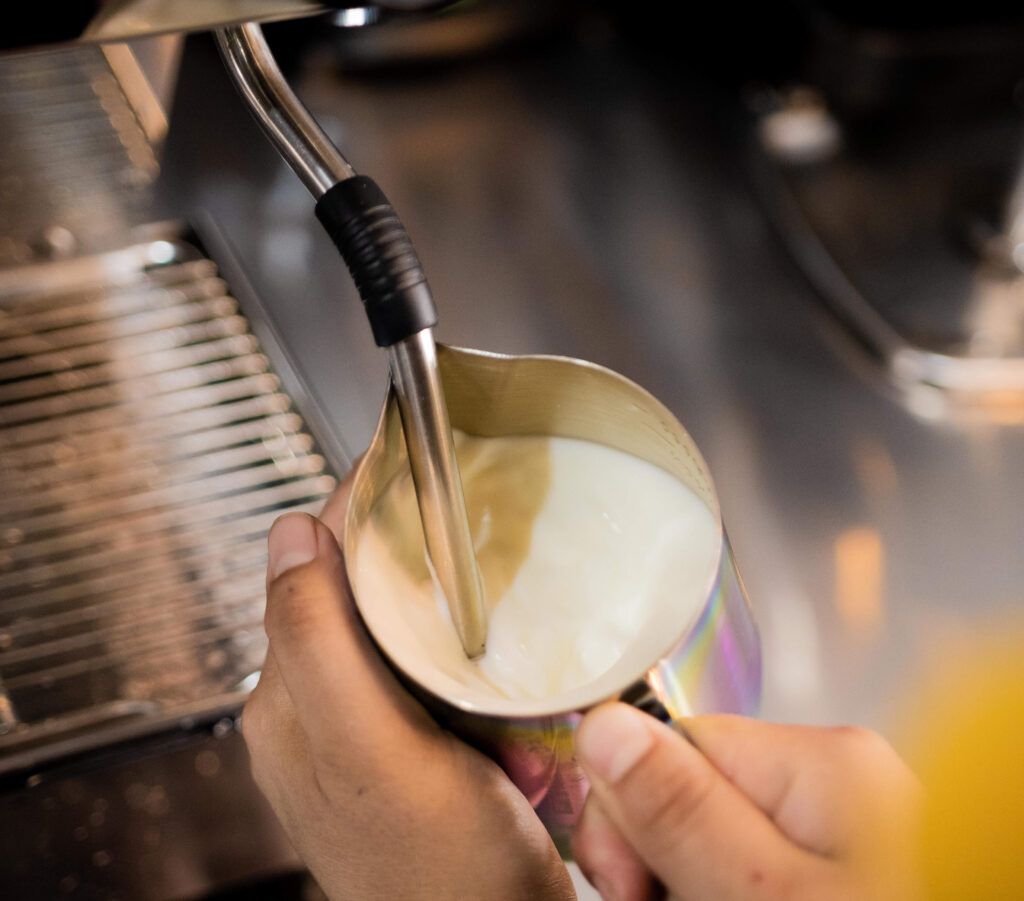
A latte begins with a shot of espresso, combined with steamed milk. The milk is gently heated, resulting in a velvety texture with minimal foam, smoother than what you’d find in drinks like cappuccinos.
Flavor:
Creamy, mellow, and subtly sweet, lattes offer a more approachable coffee experience. The milk softens the intensity of espresso, creating a well-balanced and comforting drink.
How It’s Served:
Lattes are served in larger cups, typically ranging from 8 to 16 ounces. They feature a silky layer of steamed milk topped with a light cap of foam. Baristas often decorate the surface with latte art for added flair.
What Type of Coffee Has the Most Caffeine?
Espresso has the most caffeine per ounce. A single 30ml shot has roughly 63mg of caffeine. That is more than any other coffee type when you compare by volume.
But when you look at total caffeine per drink, the answer shifts. A large cold brew or a regular drip coffee often ends up with more caffeine overall because the serving size is much bigger.
Here is a simple comparison:
- Espresso (single shot): around 63mg, highest caffeine per ounce
- Doppio (double shot): around 125mg
- Cold brew (standard serving): between 100mg and 200mg depending on concentration
- Iced Americano with extra shot: around 125mg or more
- Latte or cappuccino (single shot base): around 63mg
Understanding caffeine levels is also part of what baristas learn when studying coffee beans and varieties at UTS Kathmandu.
If you want the strongest caffeine hit from a single drink, a strong cold brew or a doppio will give you the most. Espresso per ounce is the most concentrated, but the cup is small.
What Type of Coffee Is Used for Cold Brew?
Cold brew works best with coarsely ground coffee. The grind size is important because fine grounds extract too fast in cold water and make the drink bitter.
For roast type, medium to dark roasts produce a smooth, rich flavor during the long steep. Light roasts can work too. They give cold brew a brighter, more acidic, slightly fruity taste.
Most cafes use Arabica beans or a medium-dark Arabica blend for cold brew. Single-origin beans can add interesting flavor notes. The key variables are grind size and steep time, not the brand.
How Many Types of Coffee Beans Are There?
There are four species of coffee beans, but two of them account for almost all coffee sold and consumed worldwide.
- Arabica: The most widely used bean. Smooth, slightly sweet, lower bitterness. Most specialty cafe drinks use Arabica.
- Robusta: Almost double the caffeine of Arabica. Stronger, more bitter taste. Used in espresso blends and instant coffee.
- Liberica: Rare. Found mostly in specific parts of Asia and Africa. Distinctive smoky and woody flavor.
- Excelsa: A variety of Liberica. Tart and fruity. Used mostly in blends, not sold on its own widely.
At United Technical School, the Barista course starts with bean selection and origin. If that interests you, the full course outline is here.
If you are drinking coffee at a cafe, it is almost certainly Arabica or a blend of Arabica and Robusta. Nepal has its own growing regions too. Gulmi, Palpa, and Kaski produce beans that some local roasters now use.
Types of Milk Used in Coffee
The milk you use changes the texture and taste of your drink more than people expect. Here is how the common options compare:
- Whole milk: The standard for most cafes. High fat content means it froths well and gives drinks a creamy, rich mouthfeel.
- Skimmed milk: Lower fat, lighter texture. It still froths but the result is thinner than whole milk.
- Oat milk: Popular plant-based option. Froths well, slightly sweet on its own. Works nicely with espresso.
- Almond milk: Light and slightly nutty. Does not froth as easily but is a widely available dairy-free choice.
- Soy milk: The most stable non-dairy option for steaming. Holds foam better than almond or oat.
- Buffalo or full-fat cow milk: Common in Nepal and South Asia. Richer and creamier than standard cow milk. Produces a very thick latte or cappuccino.
In Nepal, most cafes use buffalo milk or full-fat cow milk by default. If you have had a cappuccino at a local cafe and found it richer than expected, that is usually why.
Milk steaming technique, including how to get the right texture for each drink type, is one of the practical modules in the UTS Barista Training Course.
Types of Coffee in Nepal
Coffee culture in Nepal has grown a lot over the last ten years. Kathmandu has a proper specialty coffee scene now, and smaller cities are catching up.
The most commonly ordered drinks at Nepali cafes are:
- Cappuccino and latte: Still the top two sellers at most cafes
- Hot Americano: Common morning order
- Iced Americano: Goes up significantly during hot months
- Cold brew: Growing fast at specialty cafes in Kathmandu
- Honey latte: Gaining ground as a healthier alternative to sugared drinks
Nepal also grows its own coffee. Beans from Gulmi, Palpa, and Kaski are being roasted and served at local cafes. Some are exported. If you see ‘Nepali single-origin’ on a menu, it is worth trying. The flavor profile is clean and mildly fruity compared to Ethiopian or Colombian beans.
If you want to build a career in Nepal’s growing cafe industry, see why students choose United Technical School after SEE.
Want to Learn How to Make These?
Reading about coffee types is one thing. Actually making them well, pulling a clean espresso shot, steaming milk to the right texture, and pouring latte art is a skill that takes practice under the right guidance.
United Technical School (UTS) in Kumaripati, Kathmandu offers a professional Barista Training Course. It is hands-on from day one. You work with real espresso machines, learn each drink type properly, practice latte art, and get trained on customer service for cafe work.
The course is short-term, CTEVT-affiliated, and open to beginners. You do not need any prior coffee experience to join.
Not sure if a barista is the right fit? See all short-term courses available at UTS and compare your options.
Practical Tips for Coffee Lovers
If you are passionate about coffee or planning to start a cafe, it’s essential to understand brewing techniques, equipment, and flavour profiles. Whether you’re experimenting at home or looking for a career in hospitality, joining a professional barista training course can provide hands-on knowledge of coffee origins, latte art, machine handling, and customer service.
Are you looking for barista training in Nepal?
Understanding the many types of coffee, from espresso to cold brew, can greatly enhance your coffee experience, both personally and professionally. Whether you’re sipping a creamy latte or crafting the perfect ristretto, there’s always something new to explore in the world of coffee.
If you want to learn barista skills from experts, join our Barista Training Course at United Technical School.
Click here to learn more and enroll!
Also read: Special UTS Course Offer only for UA +2 Students
FAQs
There are 15 widely recognized types of coffee drinks. Hot coffee types include espresso, Americano, cappuccino, latte, honey latte, mocha, caramel macchiato, doppio, and ristretto. Cold coffee types include cold brew, iced Americano, iced Americano with extra shot, iced latte or cappuccino, iced mocha with ice cream, and affogato. Most drinks are espresso-based. Cold brew is made differently. Coarse coffee grounds steep in cold water for 12 to 24 hours.
Espresso has the most caffeine per ounce, about 63mg per 30ml shot. However, cold brew and doppio (double espresso) often have more total caffeine per drink because of serving size or double extraction. If you want the strongest single-drink caffeine hit, a concentrated cold brew or a doppio gives you the most.
Coffee drinks are divided into hot and cold. There are 9 common hot drinks: espresso, Americano, cappuccino, latte, honey latte, mocha, caramel macchiato, doppio, and ristretto. There are 6 common cold drinks: cold brew, iced Americano, iced Americano with extra shot, iced latte, iced cappuccino, iced mocha with ice cream, and affogato.
Cold brew is made with coarsely ground coffee. The coarse grind is what prevents bitterness during the long cold steep. Medium to dark roast Arabica beans work best for a smooth, rich flavor. Light roasts can also be used if you prefer a brighter, more fruity cold brew. The grind size and steep time matter more than the brand.
There are four main types of coffee beans: Arabica, Robusta, Liberica, and Excelsa. Arabica and Robusta dominate the market. Arabica is smooth and slightly sweet. Robusta has nearly double the caffeine and a stronger, more bitter taste. Liberica and Excelsa are rare and used mostly in specialty blends. Most cafe drinks are made from Arabica or an Arabica-Robusta blend.
The 12 most recognized coffee types are: espresso, Americano, cappuccino, latte, mocha, macchiato, flat white, doppio, ristretto, cold brew, iced latte, and affogato. These cover the full range from small and concentrated to cold and creamy. Most cafes in Nepal and internationally will have the majority of these on their menu.
There are five main types of coffee machines you will find in cafes and homes. Espresso machines use high pressure to pull shots and are the standard in most cafes. Drip coffee makers brew by passing hot water through ground coffee into a pot, common in offices and homes. French press machines steep coarse grounds in hot water and use a plunger to separate them. Pod or capsule machines like Nespresso use pre-packed pods for quick, no-mess brewing. Finally, moka pots are stovetop devices that brew strong coffee using steam pressure, popular across South Asia, including Nepal.